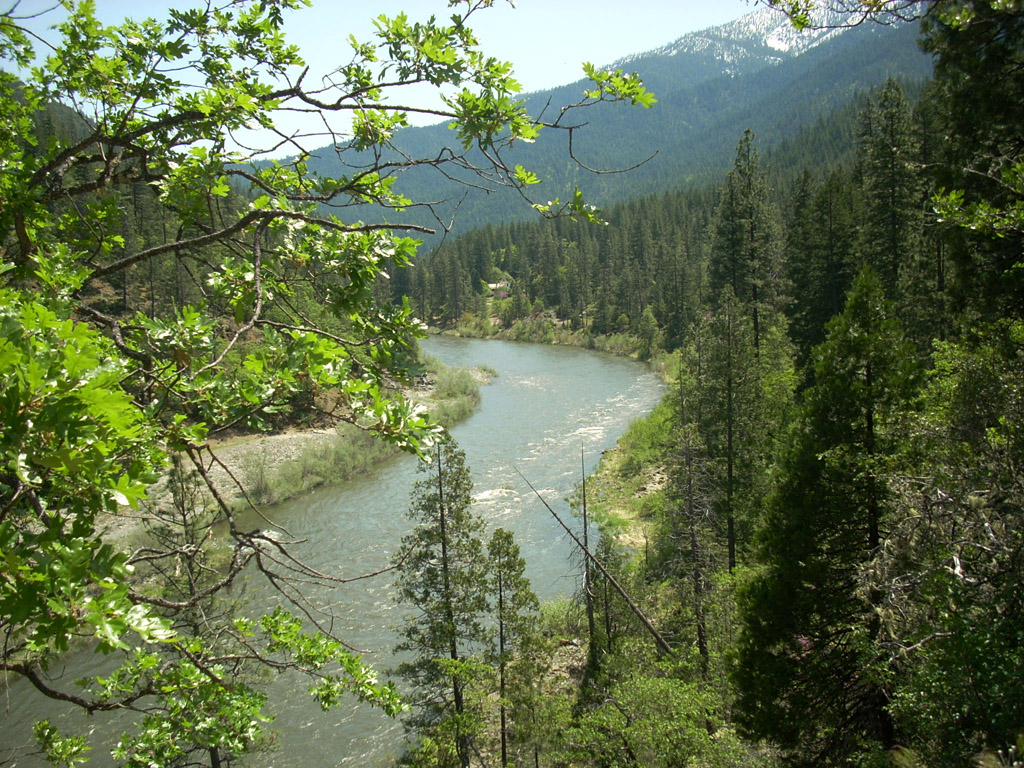
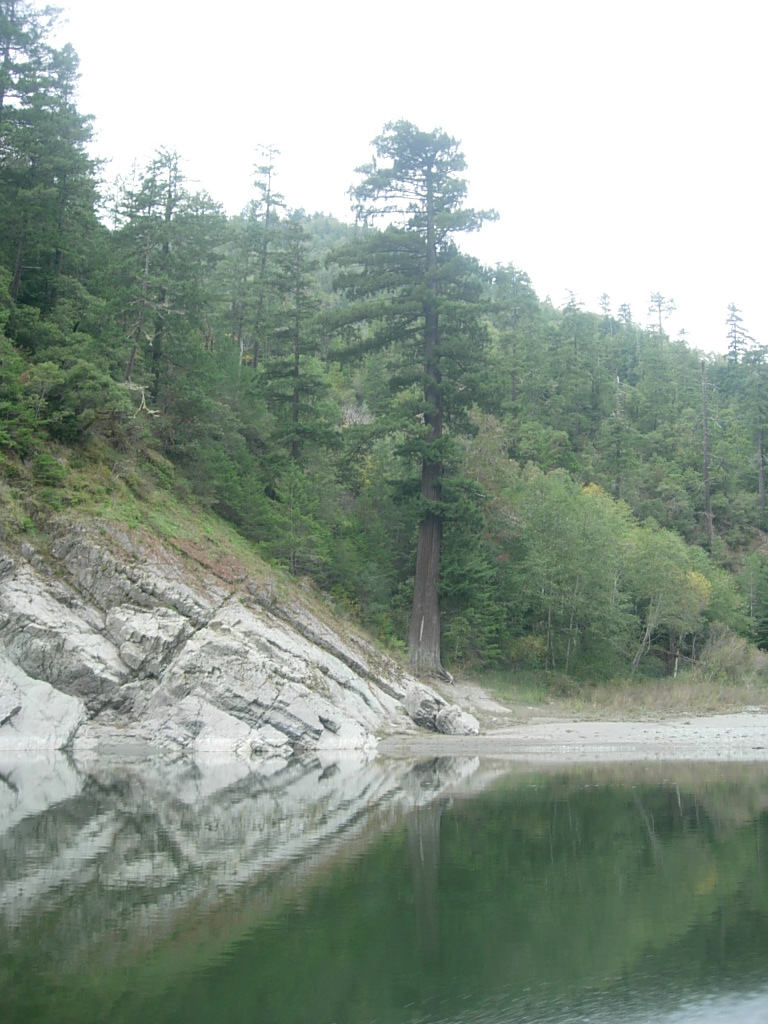
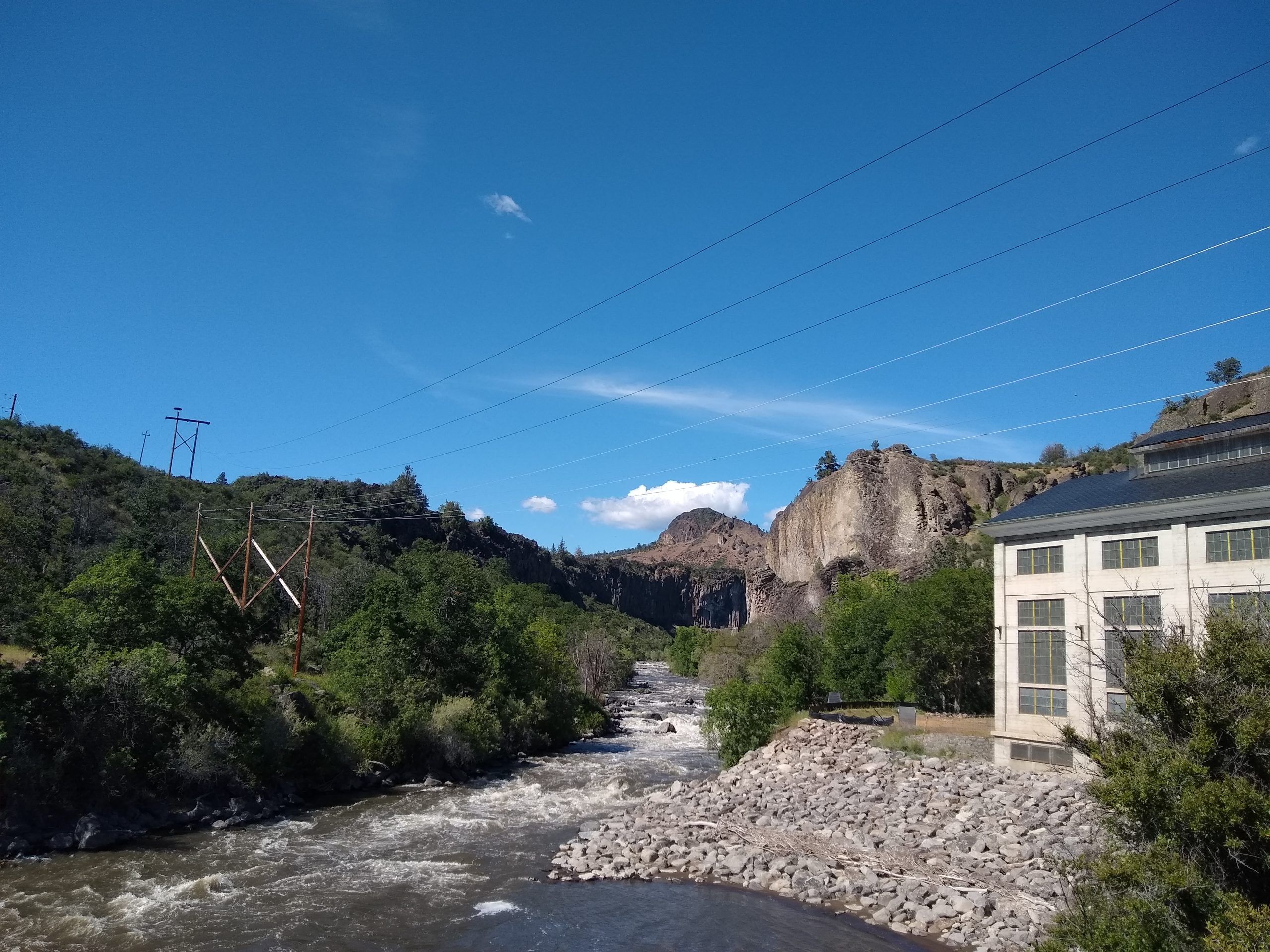
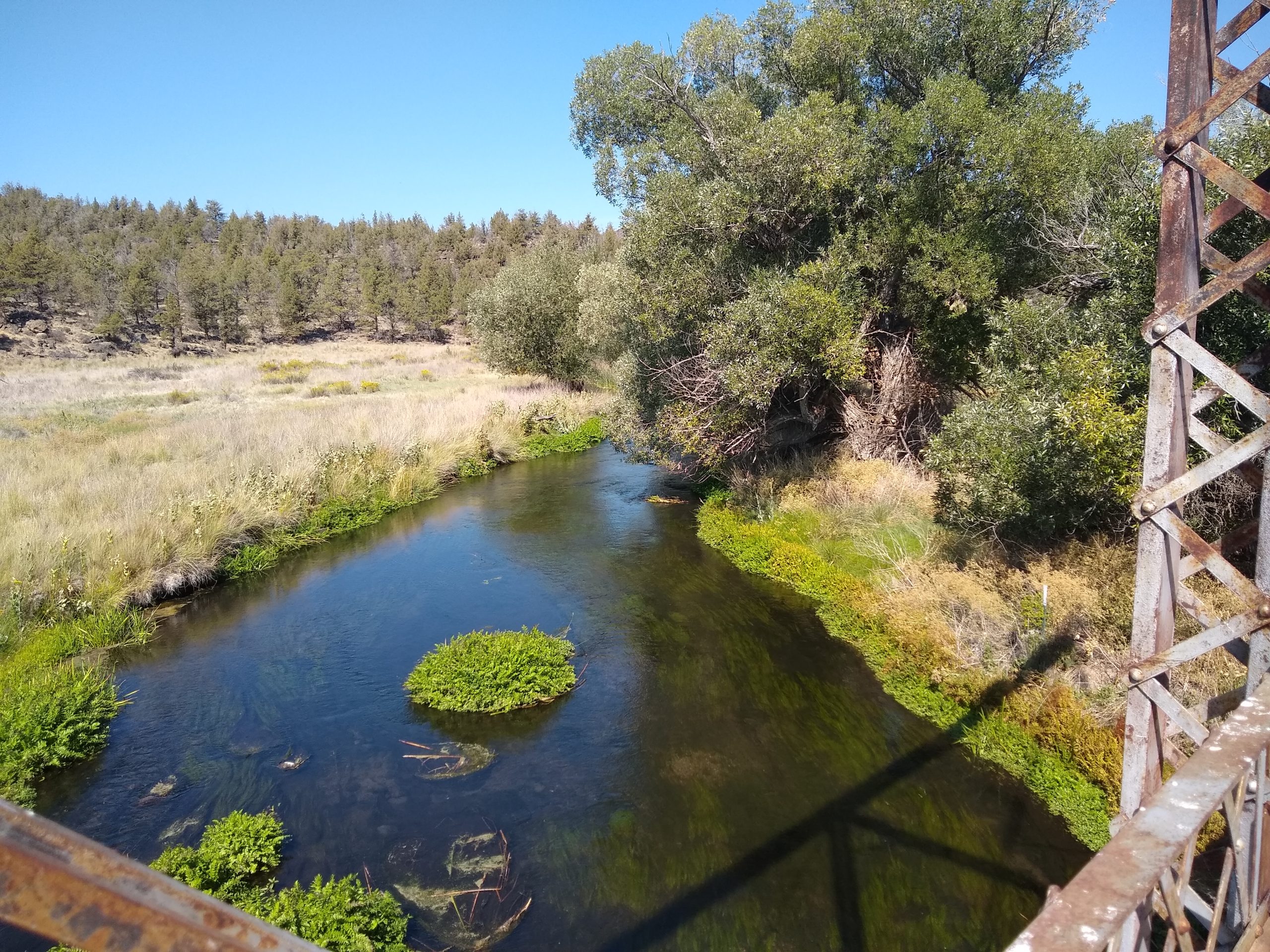
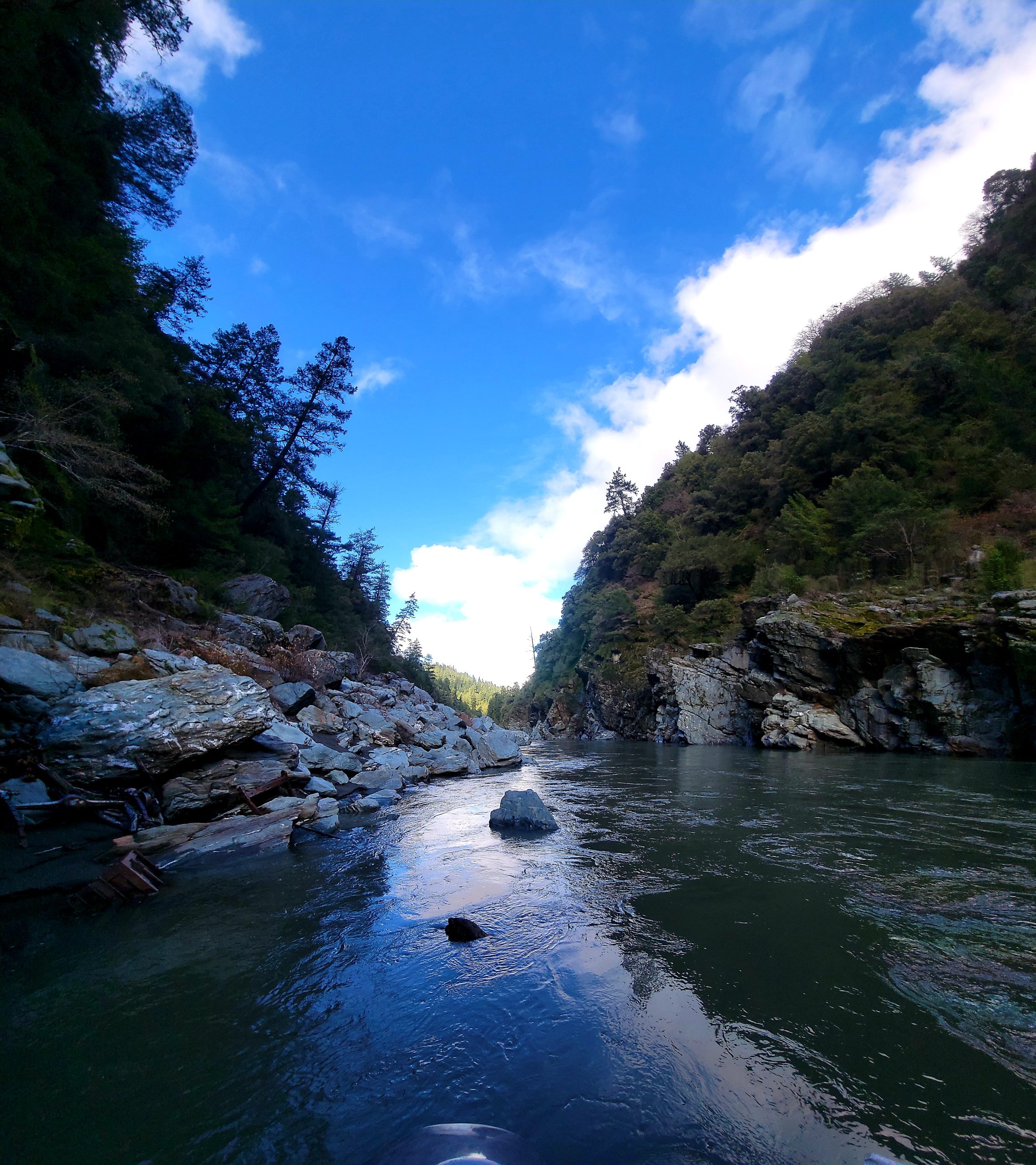
Welcome to the Klamath Tribal Water Quality Consortium website, designed to inform the public about Klamath River water quality problems and how to solve them. The Consortium, made up of leaders of five Tribal water quality or environmental departments, collaborates on larger basin-scale water quality issues such as long-term monitoring, dam removal, and Clean Water Act implementation (TMDL). Other regulatory processes relevant to water quality are also discussed on this site.
Consortium members have conducted numerous complex scientific investigations concerning Klamath River water quality impairment since the group’s inception in 2003. This website presents Tribal studies, as well as continuing scientific discoveries by agencies, academic institutions and non-governmental organizations. It also provides a portal for tracking important governmental and regulatory processes that affect Klamath River water quality, fisheries and Tribal Trust resources.
About the Consortium
The Consortium is comprised of the heads of environmental departments of the Yurok, Hoopa Valley, and Karuk Tribes, the Quartz Valley Indian Community, and the Pulikla Tribe of Yurok People. Following a massive adult salmon kill in September 2002, the Tribes formed the Klamath Basin Tribal Water Quality Work Group (Work Group). The Work Group’s stated purpose was “to prevent future disasters through sound scientific research, data analysis, and thorough planning.” In 2015 the Work Group decided to formalize its collaboration by creating the Klamath Tribal Water Quality Consortium and adopting a Strategic Plan and Bylaws. While the Consortium collaborates on research and shares information it takes no collective positions, but defers to individual Tribes to offer policy statements. Each Tribe exercises authority over Reservation waters (see Tribal WQ Authority). Some Tribes also acquire designated authority as co-managers of water quality from the U.S. Environmental Protection Agency.
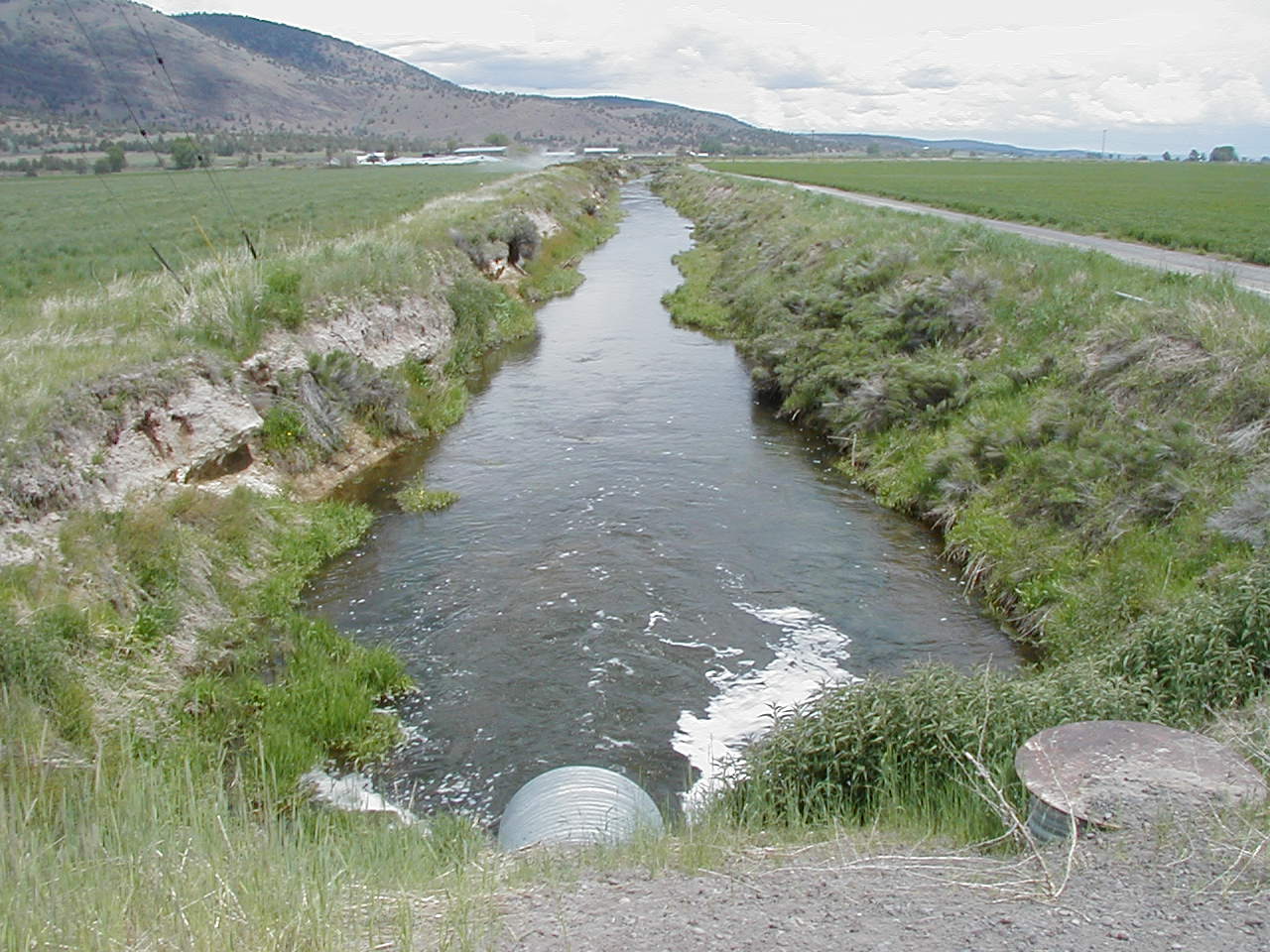
About Klamath Basin Tribes
The indigenous people of the Klamath River Basin have lived in harmony with the river and the adjoining lands for thousands of years. They Klamath River Tribes owed their prosperity, in large part, to the river’s abundant runs of salmon and other fish species.
The Tribes in California below the Lower Klamath River Tribes maintain active fisheries today, which are often a mainstay of Tribal subsistence and also an important economic factor. The Tribes all depend upon a healthy river to support a broad range of cultural and ceremonial activities.
Klamath Tribal Water Quality Consortium member Tribes are listed below with links to websites:
Hoopa Valley Tribe
Yurok Tribe
Karuk Tribe
Pulikla Tribe of Yurok People
Quartz Valley Indian Reservation
The Klamath Tribes in Oregon are not Consortium members but cooperate with Lower Klamath Basin tribes on many water quality related issues.
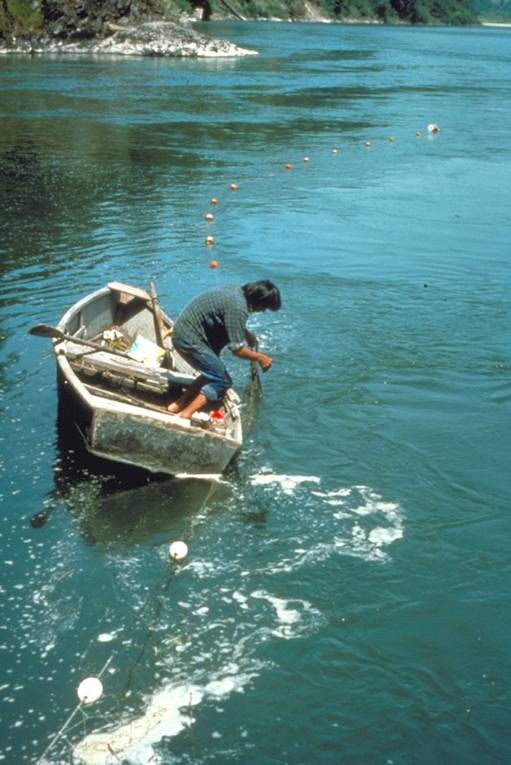
Latest Documents
View all documents
Evaluating the hydrologic effects of the 2021–2022 Scott and Shasta irrigation curtailments using remote sensing and streamflow gages. Prepared by Riverbend Sciences for the Klamath Tribal Water Quality Consortium. 50p. + appendices.
Spatial and temporal patterns of benthic cyanobacteria proliferations and anatoxin in the Klamath River Watershed, Summer 2021. Prepared by Aquatic Ecosystem Sciences LLC for the Karuk Tribe Water Quality Program. 14 p. + Appendices. December 2021.
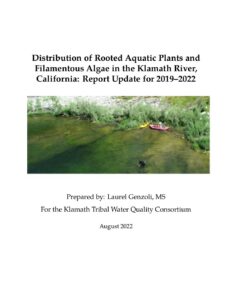
Distribution of Rooted Aquatic Plants and Filamentous Algae in the Klamath River, California: Report Update for 2019–2022. Prepared for the Klamath Tribal Water Quality Consortium. 23p + Appendices
Modeling Seasonal Effects of River Flow on Water Temperatures in an Agriculturally Dominated California River. Water Resources Research, 59, e2022WR032915
Salmon River water temperature. Pages IV-42–50 in Office of Environmental Health Hazard Assessment (OEHHA, 2022). Indicators of Climate Change in California, Fourth Edition, California Environmental Protection Agency, OEHHA.
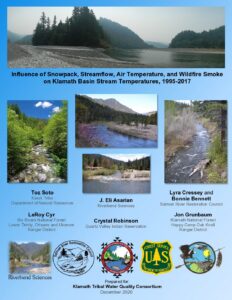
Influence of Snowpack, Streamflow, Air Temperature, and Wildfire Smoke on Klamath Basin Stream Temperatures, 1995-2017. Prepared for the Klamath Tribal Water Quality Consortium by Riverbend Sciences with assistance from the Salmon River Restoration Council, Klamath National Forest, Six Rivers National Forest, Karuk Tribe Department of Natural Resources, and Quartz Valley Indian Reservation. 44p. + appendices.
Latest Updates
-
Shasta State of the Basin Report
The Consortium recently completed the Shasta River State of the Basin, a two-page flyer summarizes long-term trends in water temperature and hydrologic conditions in the Shasta River through 2025
-
Another test post.
This is to test the post listing template item.